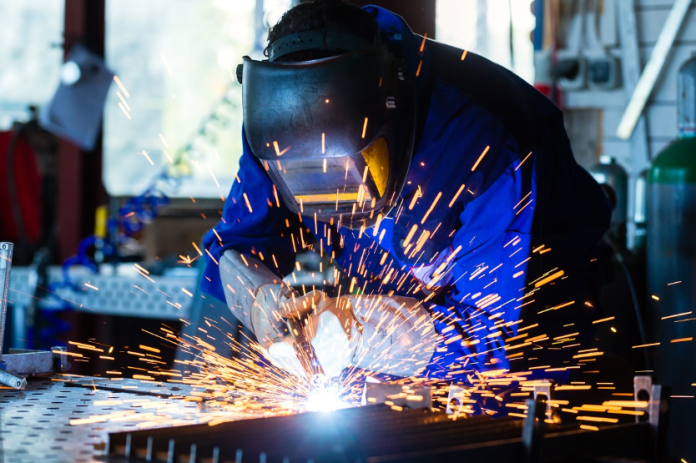
Plate fabrication is a crucial part of many industries, including construction, manufacturing, and engineering. It involves cutting, shaping, and assembling metal plates to create various products or structures. The process plays a vital role in the development of large-scale projects like bridges, buildings, and machinery.
The accuracy and quality of plate fabrication can affect the safety, durability, and efficiency of the final product. In this article, we will explore the importance of plate fabrication, the benefits it provides, and why it is essential in modern industries.
What is Plate Fabrication?
Plate fabrication is a process where large sheets of metal are cut, bent, welded, and assembled to form specific structures. The process requires skilled workers who use advanced tools and machines to transform the raw material into the desired shape or design.
Plate fabrication is used in a wide variety of applications, including construction, shipbuilding, automotive manufacturing, and power plants.
Precision and Accuracy
One of the key reasons plate fabrication is so important is the level of precision it offers. Many industries require parts and structures to meet exact specifications. Even a slight error in measurement or assembly can result in safety hazards or inefficiency.
Plate fabrication ensures that every cut and weld is precise, which leads to products that meet strict quality standards. Whether it’s a piece of machinery or a structural component for a building, accuracy in fabrication ensures the reliability and longevity of the product.
Customization for Specific Needs
Another reason plate fabrication is vital is that it allows for customization. Unlike mass-produced products, fabricated plates can be made to fit the unique needs of a particular project. This flexibility is essential in industries like construction and aerospace, where every structure has specific requirements.
With plate fabrication, engineers can design and produce parts that are tailor-made to suit the project’s specifications. Whether it’s creating a custom-size plate for a building or making specialized components for machinery, plate fabrication can provide solutions for almost any need.
Cost Efficiency
Plate fabrication is often more cost-effective compared to other methods of production. While the initial cost of materials and machinery can be high, the long-term benefits outweigh these expenses. Fabrication allows for large-scale production of parts that would be difficult or expensive to create using other techniques.
Additionally, because plate fabrication can be automated, it reduces the need for manual labor and speeds up production times. This efficiency helps companies save both time and money, making it a smart choice for many industries.
Versatility in Materials
The ability to work with a variety of materials is another reason why plate fabrication is important. Different industries often require different types of metals for their projects, such as stainless steel, carbon steel, or aluminum.
Plate fabrication allows manufacturers to work with a wide range of materials, ensuring they can create the right product for the job. Whether a project requires a lightweight material like aluminum or a stronger metal like steel, plate fabrication can handle a variety of metals, providing flexibility in design.
Conclusion
In conclusion, plate fabrication plays a critical role in industries that require precision, customization, and efficiency. From building bridges to creating machinery, the importance of plate fabrication cannot be overstated.
It ensures that parts are made to exact specifications, provides cost-effective solutions, and allows for the use of different materials. As industries continue to grow and evolve, plate fabrication will remain an essential process for producing high-quality, reliable, and customized products.