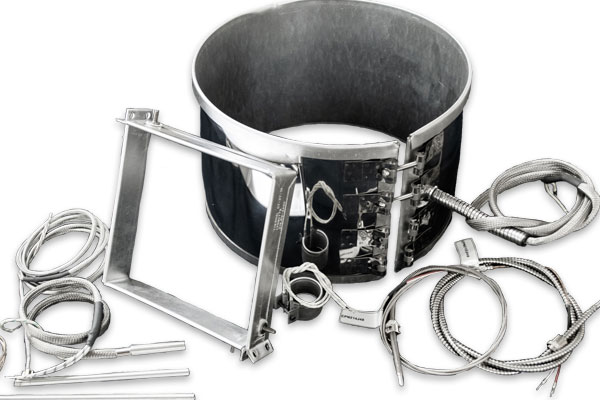
Durability in industrial heating is more than a feature—it determines performance, efficiency, and the lifetime of the equipment it supports. A mica nozzle heater is engineered for consistent reliability in high-demand environments like injection molding, where continuous exposure to heat and pressure can break weaker designs. What makes these heaters stand out is how each element of their build directly contributes to long-term endurance under extreme conditions.
Precision Fit That Reduces Wear in Injection Nozzles
A defining characteristic of a mica nozzle heater is its ability to achieve a precision fit around injection nozzles. Unlike heaters that leave gaps or require additional adjustments, mica-based designs contour tightly to the nozzle surface, creating stable contact. This snug connection minimizes mechanical stress and reduces movement during heating cycles, extending the life of both the heater and the nozzle it serves.
This precision also reduces thermal wear. A heater that fits correctly doesn’t have to overcompensate with uneven energy output, which prevents premature fatigue in both the heater band and the surrounding nozzle. The result is a stable operating environment where less energy is wasted, parts don’t degrade as quickly, and operators benefit from fewer interruptions during production.
Compact Design That Withstands Confined Operating Environments
Injection molding machines often leave little room for add-ons, which makes compact heater construction essential. A mica nozzle heater is intentionally designed to function within these tight spaces without sacrificing power or reliability. Its slim profile and lightweight structure allow it to be installed in areas where bulkier alternatives would either fail or add unnecessary strain on the system.
This ability to withstand confined operating environments also ties into thermal efficiency. Because the heater surface maintains close proximity to the nozzle, it reduces heat loss to the surroundings. In practice, this translates into faster start-up times and more consistent production runs, which is why compact heaters often outperform larger models in long-term cost savings.
Consistent Heat Distribution That Avoids Hotspots in Small Surfaces
Heat uniformity is one of the strongest advantages of a mica nozzle heater. Small nozzle surfaces present a challenge: uneven heating can create hotspots that damage materials, compromise molds, or shorten heater life. By design, mica-insulated heaters distribute heat consistently across the entire surface, keeping temperatures stable.
This consistency ensures smooth flow of molten plastic during molding, lowering the chances of product defects. It also means the heater itself is less prone to stress fractures caused by uneven expansion. Over time, that balance in thermal distribution translates into greater operational efficiency and durability, setting these heaters apart from alternatives that struggle with thermal imbalance.
Resistance to Thermal Cycling During Frequent Temperature Changes
Industrial processes rarely run at a single temperature indefinitely. Heating elements are exposed to frequent shifts, from rapid warm-ups to controlled cool-downs. A mica nozzle heater excels under this condition thanks to its layered mica insulation and robust winding structure, which resists expansion and contraction stress.
This resistance allows the heater to withstand thousands of thermal cycles without losing integrity. It’s especially valuable in environments where frequent mold changes demand quick adjustments in heat levels. While other heaters may crack or degrade under these constant cycles, mica-based designs prove durable, making them reliable in production lines that operate around the clock.
Durability Maintained Under Direct Contact with Molten Plastics
Direct exposure to molten plastics poses unique challenges for heaters, particularly when leaks or material buildup occur around the nozzle. A mica nozzle heater is constructed to handle this type of contact without immediate failure. Its outer sheath is designed to resist chemical corrosion and physical abrasion caused by hot polymers.
Because it maintains structural durability in these conditions, operators gain more flexibility in maintenance scheduling. Instead of emergency replacements, heaters can continue performing until regular servicing intervals, reducing downtime. This resilience is a distinct advantage, especially in high-volume molding environments where every hour of machine availability matters.
Mechanical Strength of Mica Nozzle Heaters in High Pressure Zones
The mechanical durability of mica nozzle heaters is another factor that supports their longevity. These heaters are often installed in high-pressure zones where clamping force and vibration are unavoidable. Their construction provides a firm mechanical hold that resists distortion, preventing failures caused by structural weakness.
High mechanical strength also improves heat transfer. A heater that maintains its form under stress keeps uniform contact with the nozzle, ensuring steady energy delivery. This quality allows mica heaters to perform consistently even when subjected to physical demands that compromise other heater types.
Durability Tested in Injection Molding Machines with Continuous Operation
Injection molding machines often run continuously, placing extended stress on every component. A mica nozzle heater is tested specifically for this environment, where sustained heat and pressure are part of daily operations. Its design focuses on balancing electrical performance, insulation durability, and mechanical stability so that it can function effectively for long periods without failure.
This long-term resilience is why mica heaters have become a standard in molding environments. They provide predictable performance shift after shift, making them a dependable choice for manufacturers who can’t afford interruptions. Continuous operation isn’t just a test of efficiency—it’s the ultimate proof of durability, and mica nozzle heaters have shown they can meet that challenge better than most alternatives.