A fresh concrete slab can look great on day one and develop problems months later. Much of its strength depends on what happened before the truck arrived. Homeowners can spot several signs of careful preparation without understanding every construction detail.
Look for More Than a Cleared Patch of Dirt
Clearing a site involves more than pushing grass aside. Crews should remove roots, topsoil, debris, and soft material where the slab will sit. Organic matter breaks down underground, leaving spaces that allow concrete to settle. Property owners should see a marked work area, with sprinkler heads, buried utilities, and nearby structures accounted for before excavation. Established concrete companies explain what needs removal and where the excavated soil will go. If old pavement remains, the contractor should assess whether it must come out instead of pouring over an unstable surface.
Has the Crew Dug Deep Enough for the Job?
Correct excavation depth depends on the slab’s use, soil conditions, and planned base. Patios and driveways supporting heavy vehicles may need different construction details. Stakes, string lines, or laser levels help crews maintain the correct depth and shape. An uneven excavation can leave weak spots even if the finished top looks flat.
Before work begins, homeowners comparing residential concrete contractors near me can ask how crews determine excavation depth. Reputable contractors should explain the planned slab thickness and base requirements. They should also check elevations near doors, steps, and garages so the finished surface meets existing features properly.
Firm Ground Matters More Than a Smooth Surface
Loose dirt beneath concrete is a warning sign, even if workers rake it smooth. Good preparation includes compacting soil with equipment suited to the area and soil type. On larger projects, crews may test whether the ground meets specified compaction requirements. Damp soil can compact well at the right moisture level, but mud or saturated material needs attention before work continues. Watch for deep boot prints, tire ruts, or sections that shift underfoot after compaction. Those signs can point to unstable ground that may allow cracking or sinking later.
The Stone Base Should Be Even and Well Packed
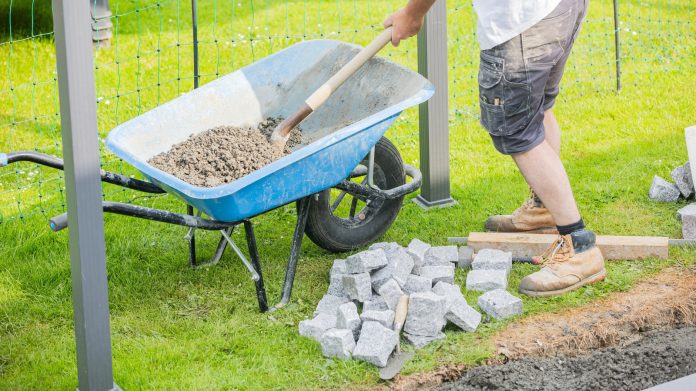
Gravel or crushed stone often forms a stable layer beneath a slab, depending on the design and soil. Workers should spread it at a consistent depth and compact it, not simply dump it into the excavation. Proper placement helps provide even support. Piles, shallow patches, and soft pockets suggest the base needs more work.
Searches for concrete companies near me produce plenty of options, but homeowners should ask about base materials and thickness. Soil conditions around Huntsville vary between properties, so the answer should fit the site rather than follow a blanket rule. Pictures of the prepared base also document work that disappears after the pour.
Check the Forms, Steel, and Joint Plan
Straight form boards are a good start, but their position matters just as much. Firm stakes and secure corners help forms hold their shape as crews place wet concrete. Reinforcing steel or welded wire, where specified, needs supports to keep it within the slab rather than directly on the ground. Spacing for control joints should be planned before pouring; these joints encourage shrinkage cracks to form in predictable locations. Anyone comparing cement contractors near me should ask how the team checks alignment, reinforcement, and joint layout. Clear answers show that preparation involves more than a smooth finish.
Where Will the Water Go After It Rains?
Water should move away from a house, not collect against foundations or run toward a garage. Contractors set the required slope during grading and forming, well before finishing the slab. Even a patio that looks flat can have enough fall to direct runoff. Poorly planned elevations may send water across walkways or into planting beds.
Nearby downspouts, retaining walls, and drains affect the design. Experienced concrete contractors in Huntsville AL should check where runoff will go after heavy rain and whether the slab interrupts an existing drainage path. Residents can ask which way the surface will slope before the concrete arrives. That conversation is easier than fixing standing water afterward.
A Final Walkthrough Before the Truck Arrives
Final checks should happen while mistakes are still easy to fix. The crew should confirm forms and slopes, remove loose dirt, check reinforcement supports, and inspect the base. Heavy rain can undo earlier preparation, so yesterday’s inspection may not be enough. Equipment access, nearby landscaping, and underground utilities also deserve a last review. For homeowners planning a driveway, walkway, or patio, Legacy Outdoor Services provides concrete installation in the Huntsville area, including decorative finishes. Its team can discuss site conditions, project layout, and proper preparation before scheduling a pour