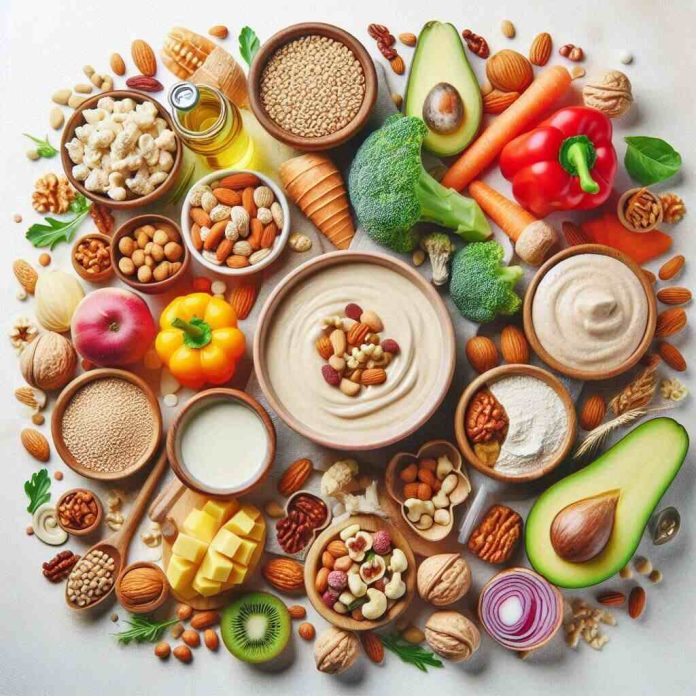
Nutrition and health are more crucial than ever in the fast-paced world of today. Because protein is essential for immune system function, muscle regeneration, and general body health, vegetarians must make sure they consume enough of it. Vegetarians need to be more careful about what they eat to make sure they are getting enough protein, in contrast to omnivores who can readily satisfy their protein needs from animal-based sources. Fortunately, there are many plant-based foods that are high in protein and can help maintain a balanced, healthful diet. Based on recommendations from WellHealthOrganic, this article examines vegetarian meals high in protein that can improve your health and energy.
The Significance of Protein for Vegetarians
One of the most important macronutrients, protein is required by the body for a number of processes, including as tissue repair, muscular growth, and the synthesis of hormones and enzymes. For general health and wellbeing, you must include adequate protein in your regular diet. But for vegetarians, getting enough protein necessitates more than simply knowing the fundamentals; it also means eating a range of plant-based foods that provide the whole spectrum of amino acids, which are the building blocks of protein.
The Best High-Protein Vegetarian Foods
1. Lentils: A Protein Powerhouse
For vegetarians who want to increase their protein consumption, lentils are a great option. Lentils are a great source of protein, fiber, and important minerals like iron and folate, with about 18 grams of protein per cooked cup. They are adaptable enough to go well with a wide variety of cuisines and can be added to soups, stews, or salads. Lentils are a mainstay in many vegetarian homes since they are also simple to prepare.
2. Chickpeas: Adaptable and Healthful
Garbanzo beans, another name for chickpeas, are high in fiber and protein. With about 15 grams of protein per cup, cooked chickpeas are a satisfying supplement to any vegetarian diet. They are also a great source of important nutrients like iron, magnesium, and manganese. Chickpeas can be roasted for a crunchy snack or added to hummus or curries, among other recipes. Additionally, they are a great source of complex carbs, which provide you energy that lasts.
3. A Complete Protein: Quinoa
Because it includes all nine essential amino acids that the body is unable to manufacture on its own, quinoa is a special grain that is regarded as a complete protein supply. Quinoa is a great source of protein for vegetarians, with roughly 8 grams per cup of cooked quinoa. Additionally, it has significant levels of iron, magnesium, and fiber, all of which support heart health and general wellbeing. Quinoa can be substituted for rice in a variety of recipes or added to salads and bowls.
4. Tempeh and Tofu: Supercharged Soy-Based Proteins
Tofu, tempeh, and other soy-based products are some of the best plant-based protein sources. A 4-ounce portion of tofu, which is derived from soybeans, contains about 10 grams of protein, whereas a 4-ounce portion of tempeh, a fermented soy product, contains about 15 grams. In addition to being high in protein, tofu and tempeh also have good levels of fiber, calcium, and iron. These foods can be used to soups, stir-fries, salads, or grilled or sautéed, making them quite flexible.
5. Edamame: A Snack Rich in Protein
Young soybeans, or edamame, are a great snack for vegetarians who want to increase their protein intake. About 17 grams of protein and substantial levels of fiber, iron, and calcium may be found in just one cup of edamame. For an added nutritional boost, you may add these beans to salads, soups, or stir-fries, or you can boil or steam them and consume them on their own.
6. Greek Yogurt: A Source of Protein from Dairy
Greek yogurt is a great source of protein for vegetarians who consume dairy products. Ten grams of protein and microorganisms that promote digestive health are found in a standard serving of Greek yogurt. Additionally, it is an excellent source of calcium and vitamin B12, two vital minerals that vegans may occasionally be deficient in. Greek yogurt can be added to smoothies, eaten on its own, or added to granola and other fruits.
7. Chia Seeds: Tiny yet Powerful
Chia seeds are a great source of fiber, protein, and omega-3 fatty acids. About 4 grams of protein may be found in just two tablespoons of chia seeds, which also have a number of additional health advantages like lowering inflammation and supporting heart health. It’s simple to include chia seeds into baked products, yogurt, cereal, and smoothies. They also absorb liquid and become gel-like, which makes them perfect for chia pudding.
8. Complete Protein: Hemp Seeds
Hemp seeds are a complete protein source since they contain all nine necessary amino acids, making them a nutritional powerhouse. They are high in critical fatty acids like omega-3 and omega-6 and have roughly 10 grams of protein per 3 tablespoons. Iron and magnesium are also abundant in hemp seeds. They can be used as a topping for porridge, added to smoothies, or sprinkled over salads.
9. Seitan: The Plant-Based Substitute for Meat
With over 21 grams of protein per 3.5-ounce meal, seitan, sometimes referred to as wheat gluten, is one of the greatest plant-based protein sources. It is a great vegetarian and vegan substitute since it is made from gluten, the wheat protein, and has a chewy, meat-like texture. For a high-protein lunch, seitan can be sautéed, grilled, or used to tacos, sandwiches, or stir-fries.
10. Nuts and Nut Butters: Protein-Rich and Healthful In addition to being strong in protein, rich nuts and nut butters—like cashews, peanuts, almonds, and peanut butter—also provide fiber, good fats, and vital vitamins and minerals. Two tablespoons of peanut butter give roughly 8 grams of protein, compared to about 6 grams in a handful of almonds (about 1 ounce). For a protein boost, nuts and nut butters can be eaten as snacks, added to smoothies, or baked.
11. Spinach: A Source of Green Protein
Although leafy greens aren’t usually thought of as having a lot of protein, spinach is one of the few that does. About 5 grams of protein, iron, calcium, and fiber are found in one cooked cup of spinach. You can increase the amount of plant-based protein in your meals by including spinach as a side dish or in smoothies.
12. Green Peas: A Legume High in Protein
Green peas are a powerful source of protein, even though they might not be the first item that springs to mind when you think of protein. With roughly 9 grams of protein per cup, cooked peas are a great complement to pasta, salads, and soups. Peas are also a good source of fiber and a number of other vitamins and minerals.
13. Spirulina: The Protein Superfood
Blue-green algae called spirulina is regarded as a superfood because of its high protein and nutritional content. Spirulina powder is a great source of protein for vegetarians, as it contains about 8 grams of protein in just two tablespoons. Antioxidants, vitamins, and minerals that promote general health are also abundant in spirulina. It can be taken as a supplement or included into smoothies.
Conclusion: Consume Foods High in Protein to Improve Your Health
Maintaining general health, muscle function, and energy levels for vegetarians requires making sure they get enough protein. You can satisfy your protein requirements without using animal products by using a range of high-protein foods in your regular meals, such as quinoa, chickpeas, lentils, tofu, and edamame. Vegetarians can maximize their health, increase their energy, and improve their general well-being by combining these foods high in protein with a balanced diet of fruits, vegetables, and healthy grains. For a healthy and wholesome boost, think about include these plant-based protein sources in your meals if you’re trying to enhance your diet.