The phrase covers a wide spectrum. At one end, it means a facility with a visiting doctor and a nurse on call. At the other end, it means a fully integrated health ecosystem where prevention, medical care, and wellness are woven into the daily rhythm of community life. What families discover — often only after a parent has moved somewhere — is that senior living with medical care means very different things in practice, and the gap between those two ends is not a small one.
Basic elder care was for a long time considered adequate for most seniors. The expectations of today’s families have moved well past that. With roughly 58 per cent of disability-adjusted life years among people over 60 attributed to noncommunicable diseases (WHO, 2021), the health management demands placed on senior living communities have grown significantly in the last decade. The communities that meet this moment are those that have built integrated health networks rather than simply listing medical services in their brochures.
What Does Senior Living With Medical Care Mean at the Integrated End?
At the integrated end of the spectrum, medical care is not a separate department that residents visit when something is wrong. It is a presence woven into daily operations. Daily monitoring of blood pressure, blood sugar, and vital signs gives the medical team a continuously updated picture of each resident’s health — not a snapshot from the last doctor’s visit. A dedicated care manager helps understand each resident’s individual requirements, coordinates personalised care plans, and serves as an important point of contact for families. Weekly doctor visits, on-time medication management, and 24/7 nursing availability are the baseline.
This is the standard that the best home for senior citizens in India has moved toward — not because it was fashionable, but because families who experienced both ends of the spectrum made clear what they needed: a community that manages their parent’s health proactively, not just responds to it after something has already gone wrong.
What Gaps Does Basic Elder Care Leave That Integrated Networks Fill?
Basic elder care handles the visible and the immediate. A fall is responded to. A fever is referred. An appointment is scheduled. What it does not handle is the space between those events — the gradual changes in vital signs that precede a serious episode, the slow drift in blood sugar that signals a developing complication, the subtle shift in energy or mood that experienced nursing staff might catch weeks before it becomes a clinical issue. Integrated health networks are built precisely to operate in that space, keeping risk visible before it becomes a crisis.
For elder care Kolkata, families have relied on history; this gap has been the most painful part of the experience — the moment when a crisis arrives that had been building quietly for weeks. Integrated networks close that gap. Daily monitoring and a care manager reviewing each resident’s picture regularly keeps the window for preventive intervention open far longer than a basic care model allows.
How Does the Wellness Layer of an Integrated Network Support Medical Care?
One defining feature of a genuine integrated network is that wellness and medical care share information rather than running independently. The physiotherapy team knows what the doctor observed at the last weekly visit. The counsellor is aware of a resident’s current medical picture. The yoga instructor knows which residents need modified programmes. This coordination requires systems, staffing, and a care manager who connects all three layers actively.
For those researching premium retirement homes that truly integrate wellness and healthcare, the test is whether these arms of the community share information or operate in silos. A physiotherapist who learns of a recent cardiac result through the care manager — rather than by asking the resident directly — is working within a genuine integrated network. That level of coordination is not available at the basic care end of the market, and its absence shows most clearly in the quality of rehabilitation and ongoing wellness outcomes for residents with complex or changing health needs.
How Does Jagriti Dham’s Integrated Health Network Work in Practice?
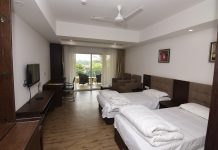
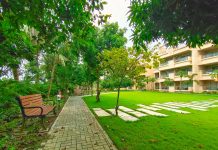
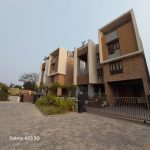
At Jagriti Dham near Joka on Diamond Harbour Road, Kolkata, the integrated health network runs through three connected layers. The medical layer covers daily vital monitoring, weekly doctor visits, medication management, early symptom detection, emergency support, and hospital coordination. The wellness layer covers Jiva Ayurveda treatments, yoga, and meditation. The community also encourages emotional well-being through creative programmes like Elders Got Talent and a social calendar that promotes engagement and a sense of belonging throughout the year.
The dedicated care manager connecting all three layers is what makes this a network rather than a list of services. Among the old age home with medical care options available in India, this care manager model is one of the clearest indicators that a community has moved past basic provision. Jagriti Dham is also Eastern India’s first IGBC-certified green senior living facility — reflecting the same commitment to structured quality that runs through its health network.
Why Do Families Who Have Seen Integrated Care Refuse to Go Back to Basic?
The most consistent observation among families who moved a parent from a basic facility to an integrated one is that they wish they had done it sooner. The difference is not primarily in the physical environment. It is in the family’s experience of their parent’s health. In a basic care setting, health management is a constant background concern. In an integrated network, it is a managed responsibility the community carries with professional competence and communicates proactively and clearly.
Among luxury retirement communities now operating in India’s senior care sector, those that have built genuine integrated networks are the ones families return to recommend. For those currently evaluating the best assisted living in india options, the community that describes its health network in operational terms — care manager model, daily monitoring protocols, hospital coordination — has actually built it. Jagriti Dham’s model answers those questions with specificity, because the network is built into the community’s structure, not offered as an optional layer.
What an Integrated Health Network Means for the Life Being Lived Inside It
For the resident, the most important effect is something quieter than any individual service: the confidence that comes from knowing the community has them. The daily check-in, the overnight nurse, the care manager who already knows their history and has spoken to the doctor — these are not visible in a brochure. They are what shape the quality of every ordinary day. For those considering the finest examples of senior living with medical care in India, the best luxury senior living communities are those where this quiet, constant coverage is simply part of what it means to live there. Jagriti Dham near Joka, Kolkata, is built to deliver exactly that.
Frequently Asked Questions
Q1. What is the difference between basic elder care and integrated senior living?
Basic elder care provides accommodation, meals, housekeeping, and reactive medical support. Integrated senior living builds daily health monitoring, a dedicated care manager, coordinated wellness and medical teams, and hospital coordination into regular operations. The difference is between a community that responds to health issues and one that actively manages and prevents them.
Q2. How does Jagriti Dham’s integrated health network benefit residents daily?
Every resident at Jagriti Dham has a dedicated care manager who coordinates their medical, wellness, and mental health care across the community’s teams. Daily vital monitoring, on-time medication management, weekly doctor visits, and 24/7 care team availability mean each resident’s health is actively managed. Families receive regular updates and early notification of any changes.
See the integrated health network in person. Book a scheduled visit at Jagriti Dham near Kolkata.
About Jagriti Dham
This article was curated by the Jagriti Dham team (www.jagritidham.com). Jagriti Dham is Kolkata’s most luxurious senior citizen home and Eastern India’s first IGBC-certified green senior living facility, situated near Joka on Diamond Harbour Road. A project of the Infinity Group, Jagriti Dham promotes active ageing and builds an age-integrated society where elders live independently while receiving the finest professional care.
Follow us: Facebook | YouTube | Google My Business | LinkedIn | Instagram