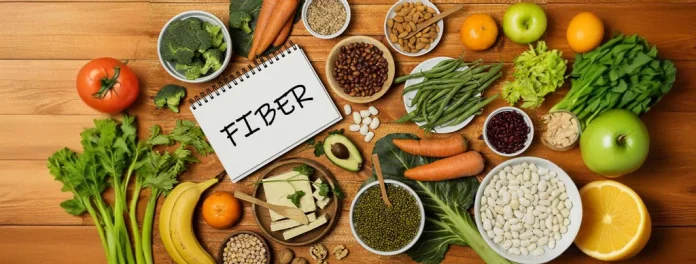
People who care about their health have become more conscious of the value of dietary fiber in their diet in recent years. A balanced diet must include fiber since it helps with weight management, digestive health, and even the prevention of chronic diseases. Many people already include foods high in fiber in their regular meals, particularly those in India where traditional diets place a strong emphasis on grains, legumes, and vegetables. However, being aware of the different foods that are part of the Indian diet can be a good place to start for anyone who wants to increase their consumption of fiber. The many health advantages of some of the most popular and easily available fiber-rich foods in India will be discussed in this article.
Why is fiber important, and what is it?
One kind of carbohydrate that the body is unable to digest is fiber. It helps with digestion and offers several health advantages as it mostly makes it through the digestive system undamaged. Fiber comes in two primary varieties: soluble and insoluble. While insoluble fiber encourages intestinal regularity and helps avoid constipation, soluble fiber lowers cholesterol and regulates blood sugar. Both kinds are necessary for preserving general health and a healthy digestive system.
1. Whole Grains: The Basis of Diets High in Fiber
One of the best sources of dietary fiber is whole grains. Whole grains maintain their outer layers of fiber, which adds to their nutritional value, in contrast to refined grains, which have had their bran and germ removed during processing. For a higher fiber intake, typical whole grains including wheat, barley, oats, and brown rice should be given preference over their refined equivalents in India.
Whole Wheat: A fantastic choice for vegetarians, whole wheat is high in fiber and may be found in chapatis, parathas, and other bread items.
Brown Rice: A substantial source of fiber, brown rice is an alternative to white rice because it keeps its bran and germ.
Oats: A popular ingredient in porridge and baked goods, oats are a great source of soluble fiber, which helps decrease cholesterol.
2. Legumes and Lentils: Rich in Fiber and Protein
A mainstay of Indian cooking, lentils and legumes are high in fiber and plant-based protein. All around the nation, these ingredients are frequently utilized in dals, soups, and curries. Fiber-rich foods include kidney beans, black beans, chickpeas, and lentils.
Lentils (Dal): Packed with soluble fiber, lentils are a great way to support healthy digestion. Up to 15 grams of fiber can be found in one cup of cooked lentils.
Chickpeas (Chole): Rich in fiber, chickpeas may be a wonderful addition to any meal, whether they are roasted as a snack or cooked in curries.
Rajma kidney beans are a popular choice in North India since they are high in fiber and a great source of protein.
3. Vegetables: An Organic Fiber Source
In addition to being a natural source of fiber, vegetables also contain important vitamins and minerals. For an added fiber boost, they ought to be a part of every meal. Leafy greens, root vegetables, and cruciferous vegetables are common vegetables in India that are high in fiber.
Spinach (Palak): Packed with fiber, spinach is also high in iron. It can be added to a variety of foods, including salads, soups, and curries.
Carrots: Raw, cooked, or juiced, carrots are a great source of soluble and insoluble fiber.
Shakarandi, or sweet potatoes, are a wholesome and satisfying food that is high in fiber. You can roast, boil, or bake them.
4. Fruits: Fiber-Rich Natural Treats
Fruits are high in fiber and vital nutrients, particularly those with edible skins. Regularly eating a range of fruits can greatly increase fiber intake and enhance general health.
Guava: Packed with soluble and insoluble fiber and high in vitamin C, guava is one of the fruits with the greatest fiber content.
Apples: Packed with soluble fiber and antioxidants, apples are a favorite fruit in India. Their fiber content is increased when they are eaten with the skin.
Bananas: Ripe bananas have a good quantity of fiber and can help with digestion, although they have less fiber than unripe bananas.
5. Nuts and Seeds: Compact yet Powerful Fiber Sources
Nuts and seeds are great sources of protein, fiber, and good fats. They are an excellent snack and may be readily used into a variety of dishes to increase the consumption of fiber.
Almonds: Packed in fiber, protein, and good fats, almonds make a great snack. They can also be added to smoothies or sprinkled on salads.
Omega-3 fatty acids and fiber are abundant in flaxseeds, which are small seeds. You may use flaxseeds into baked products, cereals, and smoothies.
Chia Seeds: Packed with fiber, chia seeds have a high water absorption capacity and take on the consistency of gel. They work well for adding to smoothies or creating chia pudding.
6. Peas and Pulses: A Fiber Superpower
Peas and pulses, such as green peas, masoor dal, and moong dal, are great sources of fiber. They provide several health advantages and are a vital component of the vegetarian diet in India.
Moong Dal: A mainstay in many Indian families, moong dal is a satisfying and nourishing choice because it has a high protein and fiber content.
Green Peas: Common in India, these high-fiber legumes can be used to soups, snacks, and curries.
7. Berries: The Superfood Packed with Fiber
Berries like raspberries, blueberries, and strawberries are not typically grown in India, but they are becoming more and more common in city markets. These fruits are rich in vitamins, fiber, and antioxidants in addition to being delicious.
Strawberries: Packed with fiber and vitamin C, strawberries can be eaten raw or added to smoothies or desserts as a garnish.
Blueberries: Packed with antioxidants and fiber, blueberries can help reduce inflammation and promote better digestive health.
8. Isabgol’s Psyllium Husk: The Digestive Help
In India, psyllium husk, also referred to as isabgol, is a popular fiber supplement. Constipation and other digestive problems are commonly treated with it. The main component of isabgol is soluble fiber, which aids in facilitating easy bowel movements by absorbing water in the intestines.
Isabgol: Psyllium husk, which is frequently added to water or yogurt, aids with weight management, intestinal health, and constipation relief.
9. Cruciferous Veggies for Fiber: Cauliflower and Cabbage
In addition to being excellent providers of fiber, cruciferous vegetables like cauliflower and cabbage are also a fantastic source of antioxidants and vitamin C. These veggies can be included in curries, salads, and soups.
Cabbage: Adding raw or cooked cabbage to salads or vegetable dishes is a great way to gain fiber.
Cauliflower: Rich in fiber, cauliflower may be used in many different recipes, such as curries and as an alternative to rice.
10. Oats: A Nutritious Breakfast Choice
Oats are a great source of soluble fiber and are abundantly accessible in India. Oats are perfect for managing weight since they reduce cholesterol and increase feelings of fullness.
Oats Porridge: Packed with fiber, this easy and nutritious breakfast choice can be enhanced with fruits, nuts, and seeds.
11. Popcorn: An Enjoyable and High-Fibre Snack
Popcorn is a great source of fiber and a complete grain. Popcorn, when made without too much butter or salt, is high in fiber and low in calories, in contrast to many processed foods. It is a nutritious snack that is suitable for all times of the day.
12. Atta Whole Wheat Flour: A High-Fibre Flour Choice
Whole wheat flour, often known as atta, is a common household staple in India. This kind of flour is high in fiber since it keeps its bran and germ. Making chapatis, parathas, or other breads with whole wheat flour can greatly boost the amount of fiber in meals.
13. Fenugreek Seeds (Methi): An Ancient Source of Fiber
Commonly used in Indian cookery, fenugreek seeds are high in fiber and have the ability to improve digestion and regulate blood sugar. They can be used as a supplement or added to dals and curries.
14. Avocado: A Fruit High in Fiber
Avocados are not indigenous to India, although they have grown in popularity recently. They are an excellent complement to any diet high in fiber because they are high in fiber and good fats. Avocados can be used as a creamy dip or in salads and sandwiches.
In conclusion, eating more fiber can improve your health.
A diet high in fiber is necessary for both general health and digestive health. Markets in India offer a wide variety of items high in fiber, from fruits, vegetables, and seeds to grains and legumes. You may manage your weight, avoid constipation, and enhance digestion by including these items in your regular meals. It’s simple to incorporate fiber into your diet and reap its many health advantages with the abundance of options available. Whether you’re eating a fresh guava, a bowl of lentils, or a handful of almonds, these foods high in fiber can make your life healthier.